


Understanding Forex Trading Definition, Strategies, and Tips 1802303032

Understanding Forex Trading
Forex trading, or foreign exchange trading, is the decentralized global market where all the world’s currencies are traded. It is the largest market in the world, with a daily trading volume exceeding $6 trillion. Investors, businesses, governments, and central banks participate in currency trading to facilitate international trade, investment, and economic stability. Many retail traders enter this market through brokers, and it has gained popularity for its accessibility and potential profitability. For those looking to delve deeper, forex trading definition Best Platforms for Trading can provide valuable insights and resources.
What is Forex Trading?
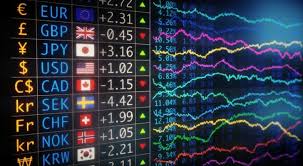
The term Forex is abbreviated from the term ‘foreign exchange’. It involves trading currencies in pairs, such as EUR/USD or GBP/JPY. The value of one currency is determined against another, and traders execute trades based on predictions of currency movements. This market operates 24 hours a day, five days a week, across major financial centers around the world including London, New York, Tokyo, and Sydney, allowing for greater flexibility and opportunities for traders to engage at any time.
The Importance of Forex Trading
Forex trading is crucial for several reasons:
- Liquidity: The Forex market is highly liquid, meaning that large volumes of currencies can be exchanged quickly without significant price fluctuations.
- Accessibility: With the advent of online trading platforms, individual investors can participate in Forex trading with relatively small amounts of capital.
- Potential for Profit: Traders can potentially profit from both rising and falling market conditions through various trading strategies.
- Diverse Opportunities: Forex trading offers a wide range of currency pairs, as well as access to futures and options for more experienced traders.
How to Get Started in Forex Trading
Getting started with Forex trading requires a good understanding of the market and some preparatory steps to ensure that you are well-equipped:
- Choose a Reliable Broker: Selecting a reputable Forex broker is fundamental. Look for regulated brokers that provide a user-friendly trading platform, good customer service, and a range of educational resources.
- Open a Trading Account: After choosing your broker, you will need to open a trading account. This may involve providing personal information and verifying your identity.
- Learn the Basics of Trading: Familiarize yourself with trading terminology, how to read Forex quotes, and how to use trading platforms. Many brokers offer demo accounts to practice trading without financial risk.
- Develop a Trading Strategy: Successful Forex trading relies on having a clear strategy. Whether you prefer technical analysis, fundamental analysis, or a combination, ensure you have a plan that suits your trading style.
- Start Trading: Once you feel prepared, begin trading with manageable amounts of capital. It’s advisable to start small and gradually increase your positions as you gain confidence and experience.
Forex Trading Strategies
There are several strategies that traders use to increase their chances of success in the Forex market. Here are a few popular methods:
- Scalping: This involves making numerous trades throughout the day to capture small price movements. Scalpers often rely on high leverage to magnify their profits.
- Day Trading: Day traders open and close their positions within the same trading day, aiming to capitalize on short-term price movements. They typically do not hold positions overnight to avoid overnight risk.
- Swing Trading: This strategy involves holding positions for several days to capture potential price swings. Swing traders often use technical analysis to identify entry and exit points.
- Position Trading: This longer-term strategy involves holding trades for weeks or even months. Position traders focus on fundamental analysis and market trends.

Managing Risk in Forex Trading
Risk management is essential to successful Forex trading. Here are some techniques to manage risk effectively:
- Use Stop-Loss Orders: A stop-loss order automatically closes a trade at a specified price to limit potential losses.
- Limit Leverage: While leverage can amplify gains, it can also increase losses. Use leverage wisely and consider limiting the amount you trade with.
- Diversify Your Portfolio: Don’t put all your capital into one trade or currency pair. Diversifying can help mitigate risks.
- Only Trade What You Can Afford to Lose: Ensure that your trading capital is money you can afford to lose without affecting your financial stability.
The Future of Forex Trading
The Forex market has evolved significantly with advancements in technology. Algorithmic trading, artificial intelligence, and machine learning are becoming prevalent in market analysis and trading execution. As these technologies advance, we can expect even more changes in how Forex trading is conducted.
Conclusion
Forex trading presents a unique opportunity for those interested in the financial markets. Understanding its definition, operational mechanics, and strategies involved is essential for anyone looking to succeed in this dynamic environment. By approaching Forex trading with education, preparation, and a solid risk management plan, traders can navigate this exciting market and potentially achieve their financial goals.
คอมเม้นต์